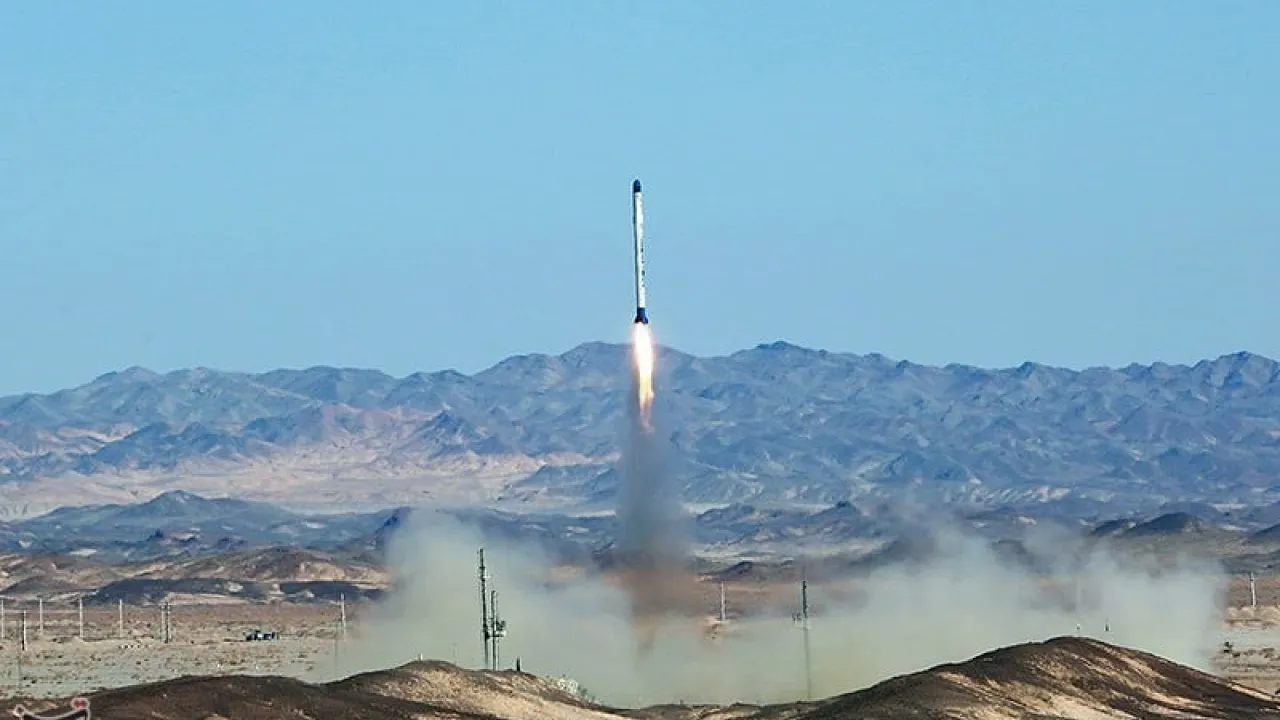
Iran has made significant strides in its space program, with the Safir-1B being a notable achievement as the nation's first indigenous satellite launch vehicle. The Safir (meaning "messenger" or "ambassador" in Persian) family of rockets has played a crucial role in placing Iranian-made satellites into orbit, marking Iran's entry into the exclusive club of space-faring nations.
A Glimpse into the Safir-1B
The Safir-1B is a two-stage liquid-fueled rocket, an evolution of the earlier Safir-1A. Its development showcases Iran's growing capabilities in rocket propulsion, guidance, and control systems.
- First Stage: The initial stage provides the primary thrust to lift the rocket off the launch pad and through the thickest parts of the atmosphere.
- Second Stage: After the first stage separates, the second stage ignites to propel the satellite into its final orbital velocity and altitude.
Key Missions and Achievements
The Safir-1B is primarily designed to launch small observation and research satellites into low Earth orbit (LEO). One of its most well-known missions involved the launch of the Omid (Hope) satellite in 2009, which was Iran's first domestically built research satellite. This historic launch was a major milestone for the Iranian space program.